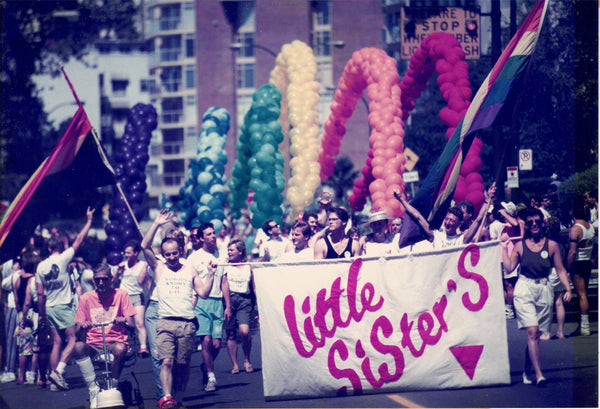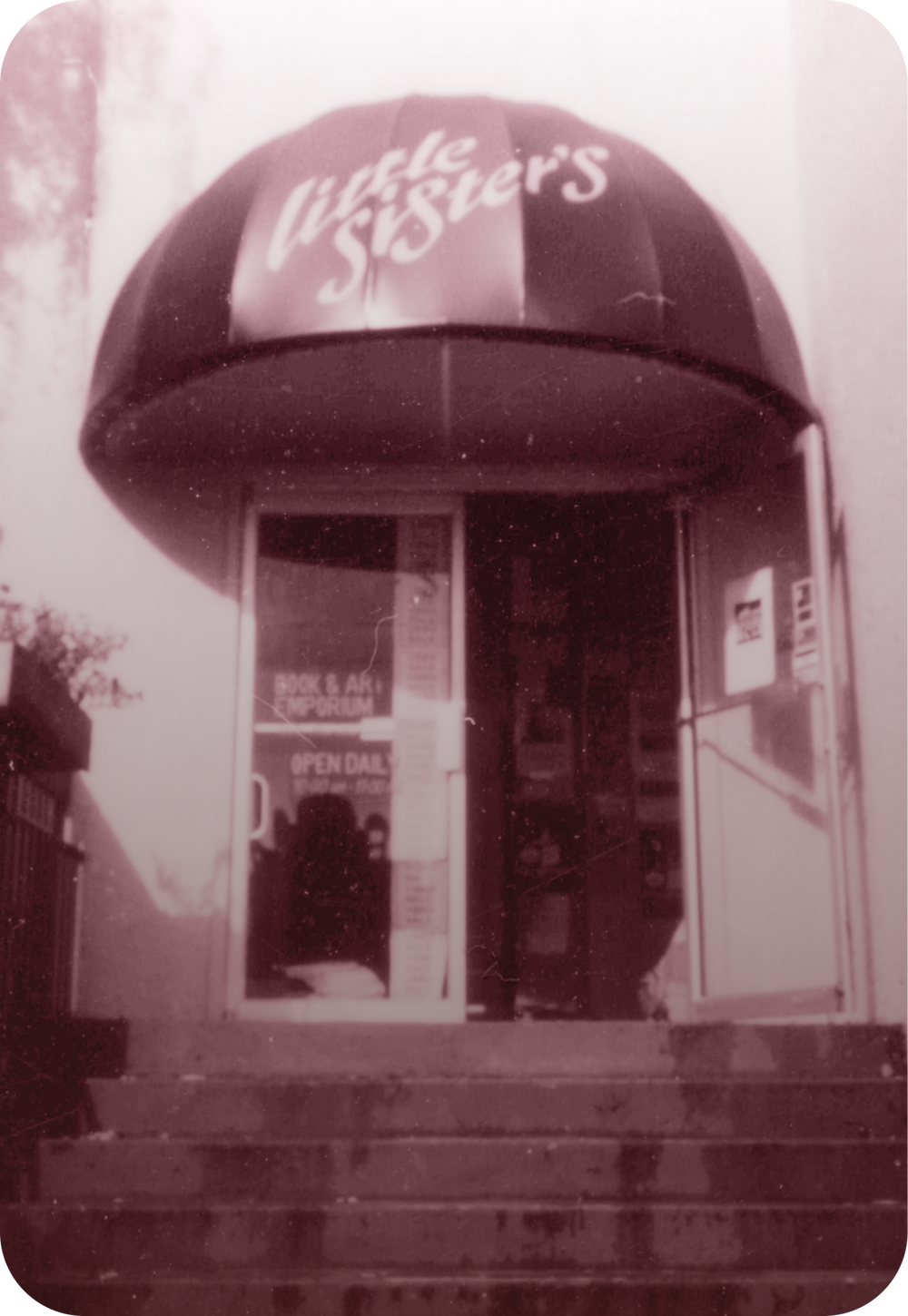
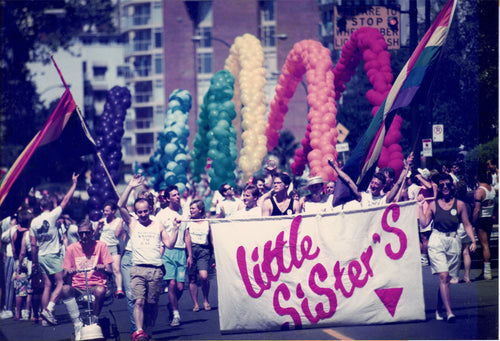


Little Sister's filed against the federal government, arguing Customs was violating the store's freedom of expression.
By 1990, Little Sister's had endured five years of customs seizures and two bombings. The federal government would concede the odd error, return a seized title, then resume seizing shipments as if nothing had happened. The cycle was exhausting, expensive, and deliberate.
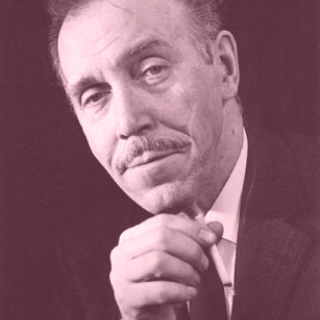
So on June 7, 1990, Jim Deva, Bruce Smyth, Little Sister's, and the British Columbia Civil Liberties Association filed their Statement of Claim in the Supreme Court of British Columbia. The suit challenged Canada Customs' repeated seizures of gay and lesbian literature as violations of the Charter of Rights and Freedoms — specifically the rights to freedom of expression and to equality.
It was not a decision taken lightly. Little Sister's was a small, independent bookstore. The defendant was the Government of Canada. The legal costs alone could threaten the store's survival. But the alternative — accepting that Ottawa could quietly suppress queer literature while the same books flowed freely to everyone else — was unacceptable.
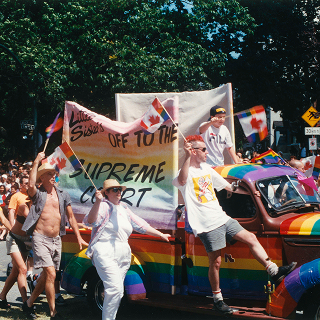
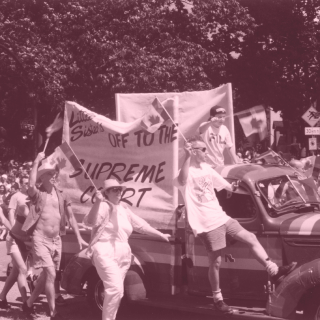
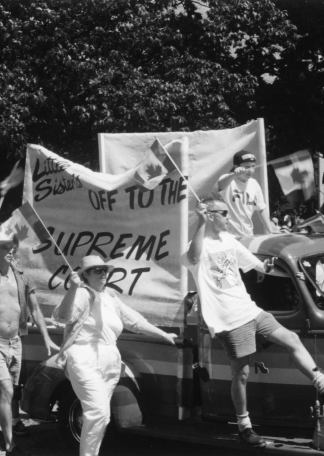
What followed was a four-and-a-half-year battle just to get to trial, as customs deployed delay tactics and procedural challenges at every turn. When the case was finally heard, it would draw testimony from a who's-who of Canadian writers and, a decade later, reach the Supreme Court of Canada.
For a little bookstore on Thurlow Street, June 7, 1990, was the day it stopped playing defence and went on the offensive. It's the original claim behind everything that followed — and a direct line to the plaque that stands outside the door today.