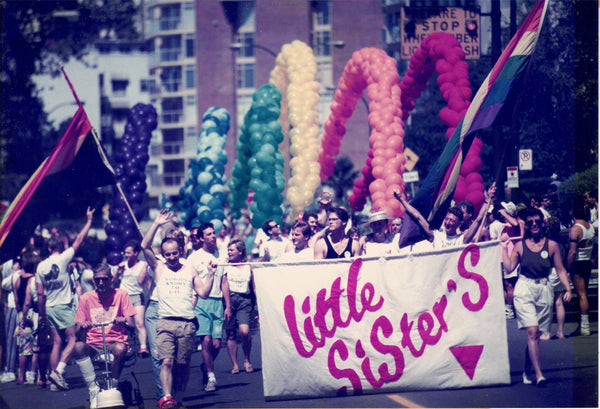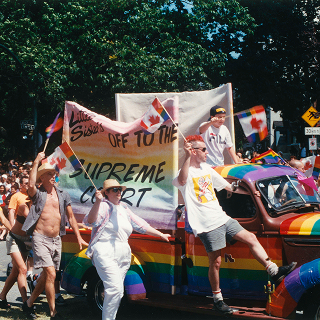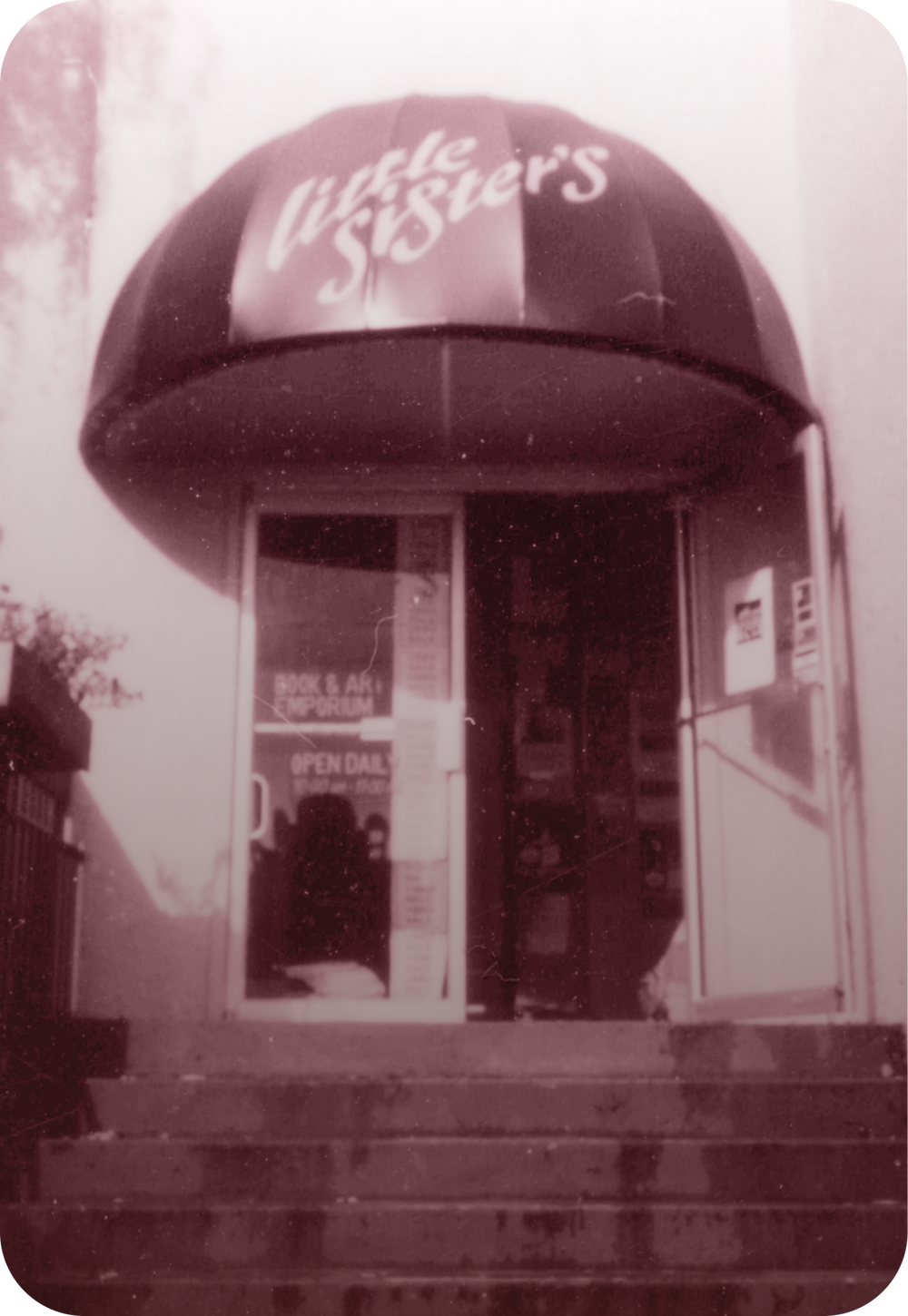
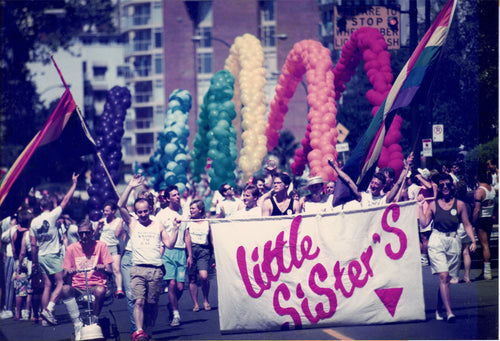
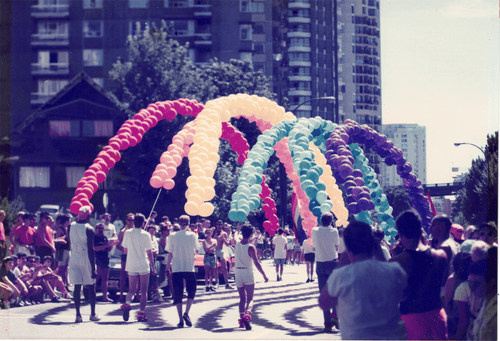


Before the Supreme Court win, there were three bombings and a 15-year fight. Here's the history behind the plaque outside our door.
It started in 1985. Officials at the border began pulling shipments headed for Little Sister's, deeming the books and magazines inside “obscene” — holding them, delaying them for weeks, sometimes tearing pages out or making whole orders vanish. The infuriating part wasn't only the seizures. It was the selectivity. The exact same titles sailed through customs when they were bound for Duthie's or Chapters. They were only a problem when the shipping label read Little Sister's.
Most of our inventory came from U.S. publishers, so nearly everything we sold had to cross that border. Canada Customs examined about eight percent of everything entering the country. They examined almost everything coming to us. The message was hard to miss: this literature wasn't welcome, and neither were the people who read it.
Then came the bombs — three of them, between 1987 and 1992. One exploded three feet from Jim Deva on a packed Saturday night. Every time, the store opened again the next morning.
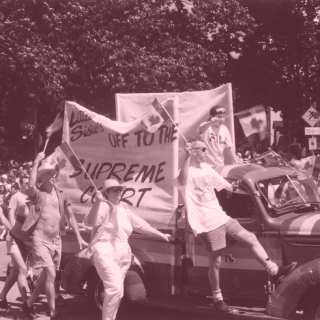
We could have accepted all of it. Instead, in 1990, Little Sister's and the BC Civil Liberties Association sued the Government of Canada. It took four and a half years just to reach trial. Writers including Jane Rule, Pierre Berton, and Nino Ricci took the stand for us. And in December 2000, the Supreme Court of Canada agreed: customs had run a campaign of systemic discrimination against the store and violated the Charter of Rights and Freedoms.
The fight spanned fifteen years and cost roughly $250,000. The decision is now taught in law schools across the country. That's the history behind the plaque outside our door — and a good part of the reason we're still standing behind it.