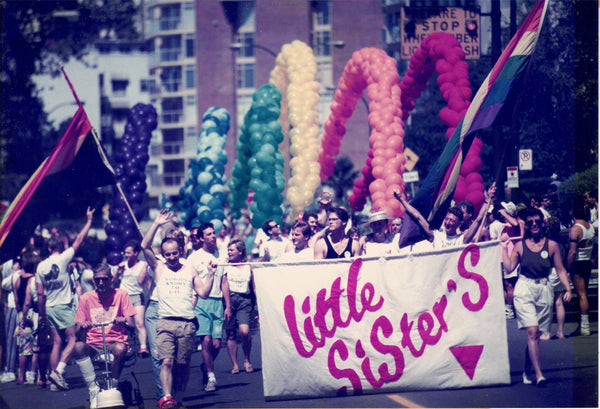


With a 1996 decision confirming shipments had been wrongly delayed or withheld.
The lawsuit was filed in 1990, but thanks to years of delays it took until October 11, 1994, for the trial to open. When it did, it ran for forty court days and read like a roll call of Canadian letters.
Writers came to testify that what was happening to Little Sister's wasn't obscenity enforcement but targeted discrimination: Jane Rule, Pierre Berton, Nino Ricci, Sarah Schulman, Pat Califia, Carol Vance, and more, joined by academics, booksellers, and publishers. The argument was consistent — the same materials were fine for everyone else and a problem only for a queer bookstore.
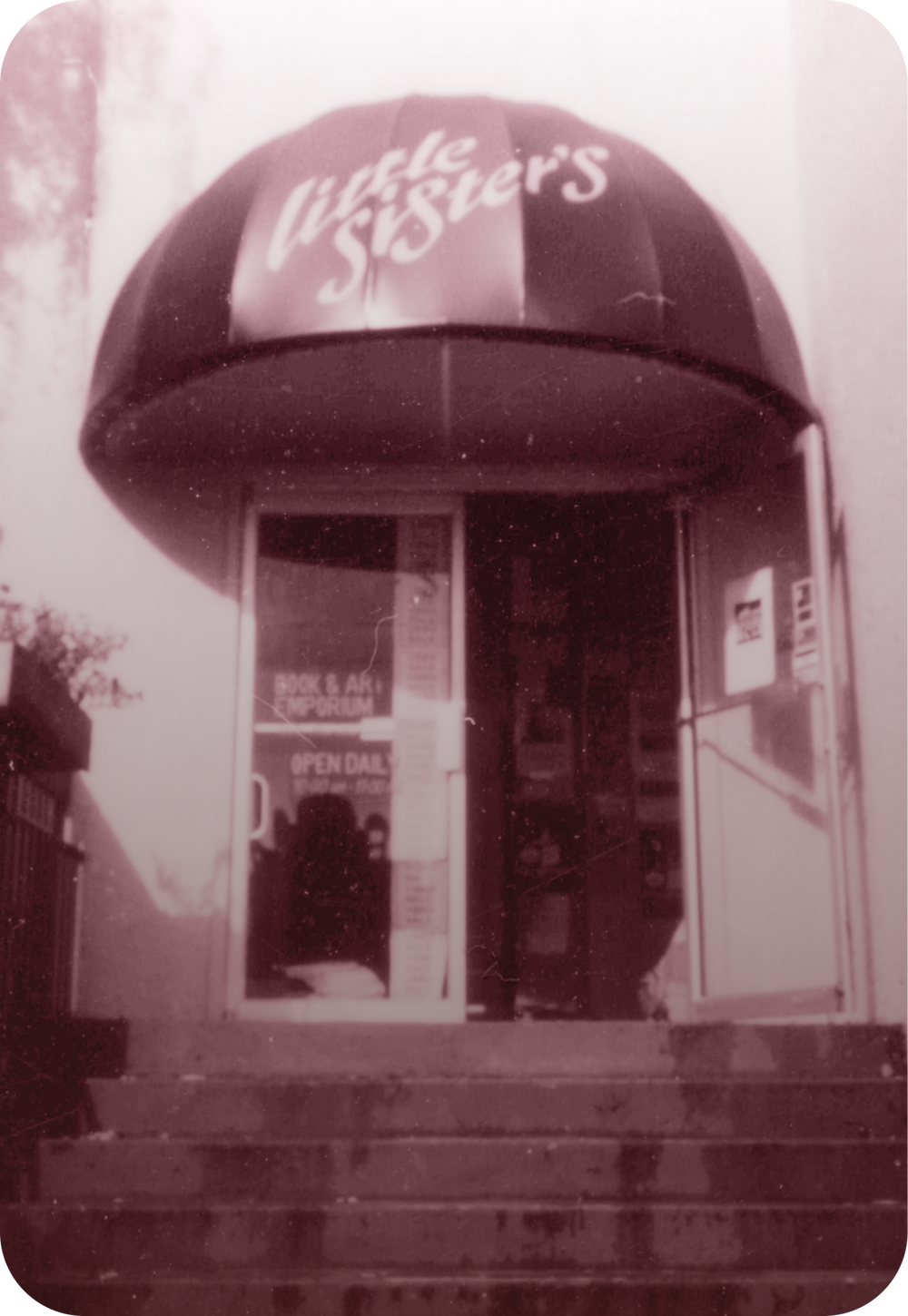
On January 19, 1996, Justice Kenneth Smith of the B.C. Supreme Court delivered his decision. He found that Canada Customs had systematically targeted Little Sister's shipments, that materials had been wrongly delayed or withheld, and that the treatment of the store violated the Charter of Rights and Freedoms. “It means we've been understood and validated as Canadians,” Janine Fuller told the press at the bookstore.
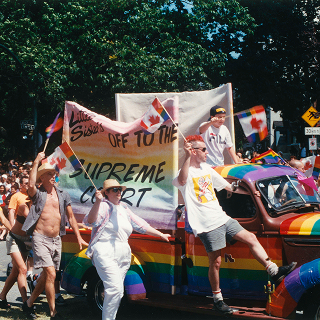
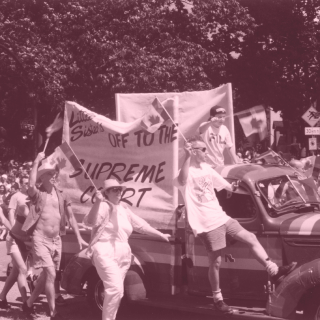
But the victory was bittersweet. Justice Smith upheld customs' underlying authority to seize materials in the future, declining to strike down the statute itself. Little Sister's had already spent roughly $250,000. It had won the argument but not the war — so it announced it would appeal, and the fight carried on toward the Supreme Court of Canada.
Still, the 1996 decision confirmed what the store had said all along: its shipments had been wrongly delayed and withheld. It was proof, on the public record, that Little Sister's had been right the whole time.